WPC cladding is becoming a popular choice for modern construction projects. This innovative material offers many advantages over traditional options. With its unique blend of wood and plastic, WPC cladding provides durability and low maintenance.
Many contractors now recommend WPC cladding due to its eco-friendly properties. Unlike conventional materials, it requires less energy to manufacture. It also resists moisture and pests, reducing the need for frequent repairs. However, some may overlook the potential downsides. For instance, understanding the exact installation process can be tricky. Proper knowledge and experience are crucial for a successful application.
Beyond its practicality, WPC cladding enhances aesthetic appeal. It comes in various colors and finishes, allowing for creative designs. Yet, there are still factors to consider, such as the local climate and project requirements. Addressing these challenges ensures you maximize the benefits of WPC cladding in your next project.
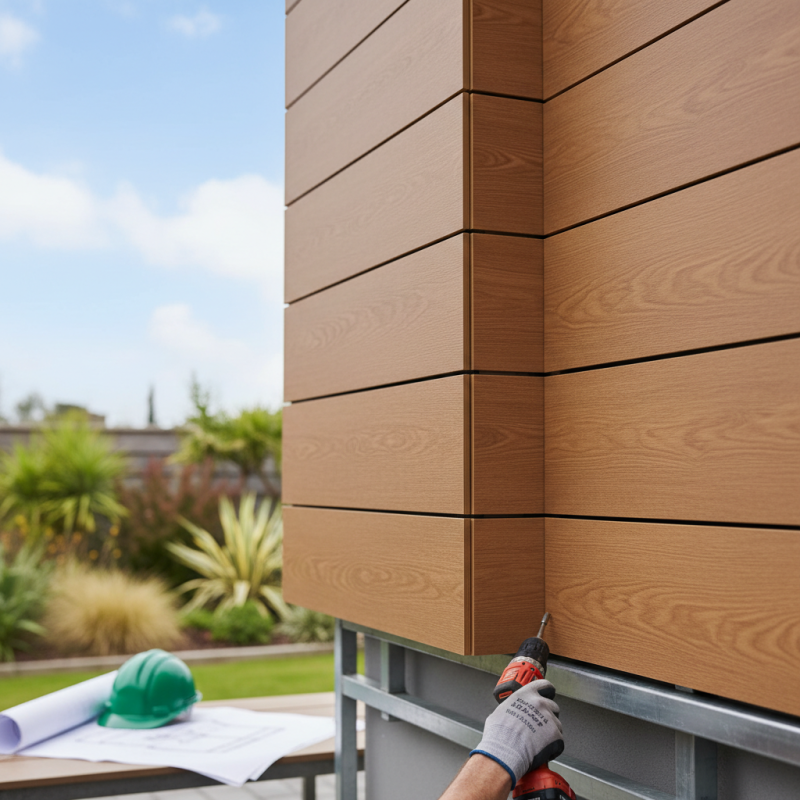
Benefits of WPC Cladding: Durability and Low Maintenance
WPC (Wood-Plastic Composite) cladding is gaining popularity for its remarkable durability and low maintenance requirements. According to a report by Grand View Research, the global WPC market is expected to grow significantly, reaching $9.6 billion by 2025. This growth highlights a shift towards materials that offer long-lasting performance, particularly in outdoor applications.
One of the standout features of WPC cladding is its resistance to moisture and pests. Unlike traditional wood, which can warp or rot, WPC maintains its structural integrity even in humid conditions. A study from the North American Deck and Railing Association (NADRA) indicates that WPC products can last up to 25 years with minimal wear. This durability translates into fewer replacements and repairs, ultimately leading to cost savings over time.
Maintenance is another crucial factor. WPC cladding needs only occasional cleaning with soap and water. This low upkeep requirement appeals to homeowners and builders alike. However, it is essential to note that the color may fade over time, and some products might scratch more easily than expected. These considerations prompt a closer evaluation of specific brands and formulations within the WPC category. Understanding these trade-offs ensures better decision-making for your next project.
Environmental Impact of WPC Materials: Sustainability Considerations
WPC (Wood-Plastic Composite) cladding represents a sustainable choice for modern construction projects. The blend of recycled wood fibers and plastic makes WPC an innovative solution. This material greatly minimizes environmental impact compared to traditional wood. By reducing deforestation, WPC contributes to the preservation of natural habitats.
Choosing WPC materials has its benefits and drawbacks. The production process often consumes less energy and water than conventional materials. However, sourcing quality recycled materials can sometimes be a challenge. It’s crucial to research suppliers to ensure responsible sourcing.
Tips: Always ask for certifications from suppliers. This helps verify sustainability claims. Consider the life cycle of materials used in construction. Some WPC products may not degrade as expected, raising concerns about waste. Aim for a balance between durability and environmental responsibility in your next project.
Environmental Impact of WPC Materials: Sustainability Considerations
Aesthetic Versatility: Design Options with WPC Cladding
WPC cladding provides countless design possibilities. This innovative material combines wood fibers and plastic, allowing for a natural look without the maintenance issues of real wood. Aesthetic versatility is a key benefit, making it suitable for various architectural styles.
You can choose from a range of colors and finishes. Whether you prefer a sleek modern finish or a rustic wood texture, WPC cladding offers options that cater to your vision. Adding elements such as grooves or patterns enhances the overall design. When selecting styles, consider the surrounding environment to ensure harmony.
Tip: Mix different textures to add depth. Combining smooth and grooved panels can create visual interest.
The durability of WPC cladding also affects your design choices. It resists warping and fading, making it ideal for outdoor applications. However, the color may not always match your expectations after installation. Therefore, sample pieces can help make final decisions.
Tip: Always order samples first. Comparing them in natural light helps visualize the end result accurately.
Cost-Effectiveness: Long-Term Savings with WPC Solutions
Choosing WPC cladding for your next project can lead to significant long-term savings. WPC, or wood-plastic composite, combines the benefits of traditional wood with advanced plastic technology. This results in a durable product that requires less maintenance and replacement over time.
Cost-effectiveness is a major consideration for many builders and homeowners. While the initial investment may be slightly higher than conventional materials, WPC cladding pays off in the long run. It won’t warp, crack, or splinter, reducing repair costs. Homeowners often find themselves spending less on upkeep, as WPC only requires periodic cleaning.
WPC solutions also offer insulation benefits, reducing energy costs. A well-insulated property can save on heating and cooling expenses, contributing to overall savings. Yet, some may feel uncertain about the longevity of new materials. It’s essential to research and choose quality WPC options.
Ultimately, understanding the cost-effectiveness of WPC can shape a project’s success and sustainability.
Installation Process: Tips and Techniques for WPC Cladding
WPC cladding offers several advantages in installation, making it a popular choice among builders. The installation process typically requires fewer tools compared to traditional materials. According to a recent industry report, about 70% of contractors prefer WPC for its straightforward fitting and lower labor costs. The lightweight nature of WPC allows for easier handling, reducing strain and time on site.
However, some challenges can arise during installation. Proper alignment is crucial. Misalignment can lead to gaps that may compromise water resistance. Experts recommend using spacers to maintain consistent gaps, promoting better airflow and drainage. A well-executed installation can significantly extend the lifespan of the cladding.
Temperature variations can also affect WPC. Materials may expand or contract, impacting structural integrity. Addressing this requires foresight in planning. Ensure proper ventilation during installation, as this enhances longevity. Check for moisture levels in surrounding areas to prevent warping. Failing to address these issues can lead to costly repairs down the line. Thus, consideration of these factors is essential for a successful project.
FAQS
: WPC cladding is a material made from wood fibers and plastic, offering a natural look without maintenance issues.
WPC cladding comes in various colors and finishes, from modern to rustic. You can mix textures for added depth.
Its resistance to warping and fading makes WPC suitable for outdoor use, but colors may vary after installation.
Yes, always order samples. Comparing them in natural light helps visualize the final appearance more accurately.
Yes, it offers long-term savings despite a slightly higher initial cost. It requires less maintenance and repair over time.
Yes, it can help reduce energy costs by improving insulation, leading to savings on heating and cooling.
Sometimes, the installed color may not match samples. It's important to be open to adjustments during the process.
WPC cladding requires only periodic cleaning, which is significantly less than traditional wood upkeep.
Research is key. Understanding quality options is crucial for ensuring your investment lasts.
Yes, WPC cladding's aesthetic versatility makes it suitable for various styles. Ensure it harmonizes with the environment.
Conclusion
WPC cladding is an increasingly popular choice for construction projects due to its numerous benefits. Its durability and low maintenance requirements make it an attractive option for homeowners and builders alike, as it withstands the elements without the need for frequent repairs or replacements. Additionally, WPC materials are a sustainable choice, crafted from recycled resources, which minimizes environmental impact while promoting eco-friendly practices.
Moreover, WPC cladding offers aesthetic versatility, allowing for various design options that can complement any architectural style. When considering cost effectiveness, the long-term savings associated with WPC solutions—due to their longevity and minimal upkeep—make them a wise investment. Lastly, understanding the installation process can further enhance the advantages of WPC cladding, ensuring a smooth and efficient application. Overall, WPC cladding is a smart and sustainable option for modern building projects.

 Qianbang