Fluted Wall Panels are gaining popularity in modern architecture and interior design. According to Dr. Emily Carter, a leading expert in sustainable building materials, "Fluted Wall Panels offer a unique combination of aesthetics and functionality." These panels add texture and depth to spaces, enhancing visual interest while maintaining a sleek appearance.
The benefits of Fluted Wall Panels extend beyond their beauty. They provide sound insulation and can improve energy efficiency in buildings. Their design allows for easy installation, making them a favorite among contractors. However, not all materials used in these panels are created equal. Choosing the right material is crucial for durability and performance.
Some may overlook the maintenance aspect of Fluted Wall Panels. While they are generally low-maintenance, certain finishes might require more upkeep than others. This is a critical consideration for long-term satisfaction. Ultimately, understanding both the advantages and potential drawbacks of Fluted Wall Panels will ensure better decision-making in your design projects.
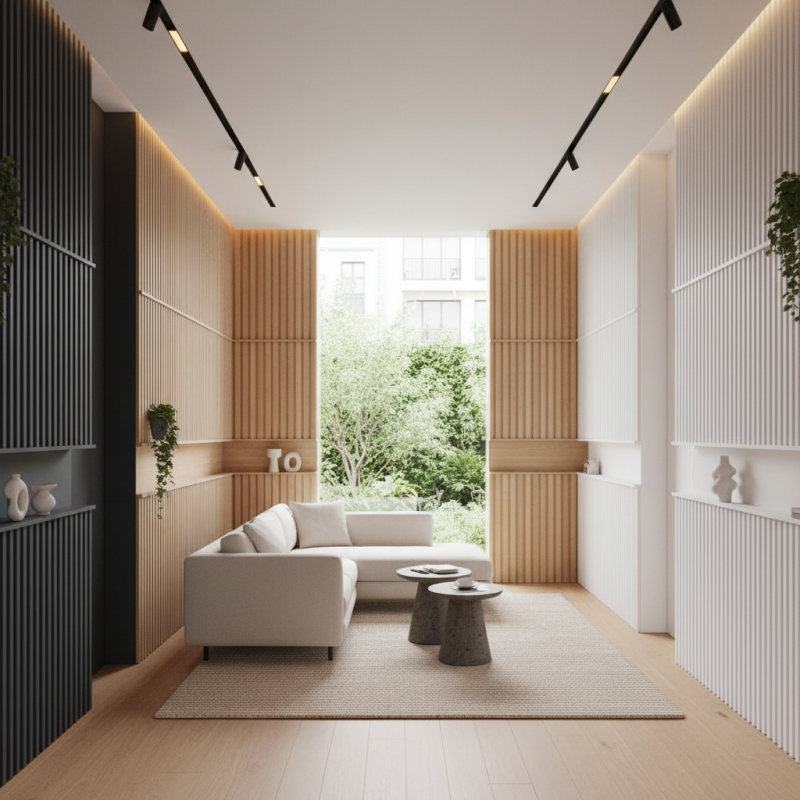
Fluted wall panels are a unique architectural feature that adds depth and texture to interior spaces. These panels are characterized by their vertical grooves, which can vary in width and depth. This design element creates a visually interesting surface that draws the eye and enhances the overall aesthetic of a room. Many designers appreciate how fluted panels can serve different themes, from modern to classic, making them versatile for varied settings.
In terms of applications, fluted wall panels are commonly used in residential and commercial spaces. They can be seen in living rooms, restaurants, and even offices. The material choices range from wood to metal, offering different visual and tactile experiences. However, the installation process requires precision. Improper alignment can lead to an uneven appearance. It’s crucial to select the right dimension and spacing for a cohesive look.
Despite their benefits, some may find the maintenance challenging. Dust and dirt can accumulate in the grooves, demanding regular cleaning. Also, in high-traffic areas, the panels may show wear quicker than flat surfaces. Careful planning is essential to avoid these pitfalls.
| Attribute | Description |
|---|---|
| Definition | Fluted wall panels are decorative panels with vertical grooves or flutes providing texture and aesthetic appeal. |
| Benefits | Enhanced sound insulation, improved aesthetic value, easy installation, and low maintenance. |
| Materials Used | Wood, MDF, PVC, and metal. |
| Common Applications | Residential interiors, commercial spaces, feature walls, and acoustic panels. |
| Design Styles | Modern, contemporary, traditional, and industrial. |
| Installation Method | Can be adhered directly to walls or installed as part of a paneling system. |
: Fluted wall panels feature vertical grooves, adding depth and texture to interiors. They enhance a room’s aesthetic appeal.
They are suitable for various spaces, like living rooms, restaurants, and offices. Their versatility makes them widely appreciated.
Popular materials include MDF, plywood, and PVC. Each offers different aesthetics and durability, influencing overall design choices.
MDF is affordable and smooth. It is great for indoor use but may struggle with moisture exposure.
Plywood is strong and offers a natural wood grain. Its durability varies based on the wood type used.
PVC is resistant to water and damage. It’s ideal for high humidity spaces, like bathrooms, despite being less attractive.
Maintenance can be tough. Dust may collect in grooves, and high-traffic areas can lead to quicker wear.
Installation accuracy is crucial. Poor alignment can cause an uneven look, diminishing the panels’ aesthetic effect.
Balance design preferences with practical durability. Assess the location and potential wear of the panels ahead of time.
Regular cleaning is necessary to avoid dirt accumulation. Planning for upkeep can help maintain their appearance over time.
Fluted Wall Panels are an innovative design element that combines aesthetics and functionality in interior spaces. These panels are characterized by their vertical grooves, which add texture and visual interest to walls. One of the primary advantages of using Fluted Wall Panels in interior design is their ability to enhance the perceived height of a room while providing a modern, stylish appearance. They are particularly popular in commercial spaces, such as restaurants, hotels, and offices, where a sophisticated ambiance is desired.
In addition to their visual appeal, Fluted Wall Panels are available in various materials, each offering different levels of durability and maintenance requirements. Choosing the right material ensures that the panels can withstand the demands of their environment. Regular maintenance, including cleaning and inspections, is essential for preserving the longevity and appearance of Fluted Wall Panels, making them a smart choice for any interior design project.

 Qianbang