The demand for WPC wall cladding is growing rapidly. According to a recent Market Research Future report, the global WPC market is projected to reach USD 10 billion by 2026. This statistic highlights the increasing preference for sustainable and durable building materials worldwide.
WPC wall cladding offers numerous advantages. It is lightweight, water-resistant, and requires minimal maintenance. However, some manufacturers struggle to ensure consistent quality. This inconsistency can impact the long-term performance of WPC products. Buyers must remain vigilant about sourcing materials from reputable suppliers to ensure reliability.
As we approach 2026, several trends are set to shape the WPC wall cladding industry. Innovations in design and color options are expected to attract more customers. Yet, challenges such as competition from traditional materials may persist. Understanding these dynamics is crucial for global buyers aiming to make informed decisions in this evolving market.
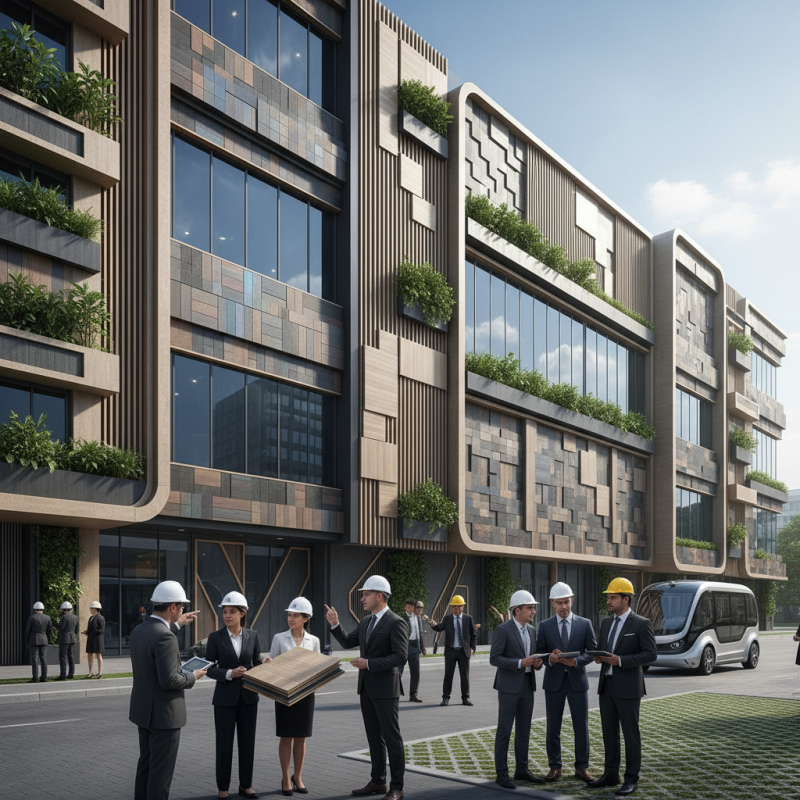
2026 Overview of WPC Wall Cladding Market Trends
The WPC wall cladding market is expected to witness significant growth through 2026. According to industry reports, the global market is projected to reach $4.5 billion by the end of 2026. This growth is driven by an increasing demand for sustainable and durable building materials. Manufacturers are focusing on eco-friendly practices, leading to innovations in WPC formulations.
A recent study highlighted that the construction sector is the largest consumer of WPC wall cladding. It accounts for nearly 60% of the total market share. This trend reflects a shift towards more environmentally conscious construction methods. However, challenges such as fluctuating raw material costs and quality control issues remain. Buyers need to be aware of these factors when making purchasing decisions.
As the market evolves, color and texture trends are also changing. Natural wood finishes are increasingly popular, with many buyers favoring realistic aesthetics. Additionally, the rise of DIY projects has led to a demand for easier installation methods. While these trends create opportunities, they also force manufacturers to rethink product development strategies.
Sustainable Materials in WPC Wall Cladding Designs
As sustainability gains traction in architectural design,
WPC wall cladding is at the forefront of eco-friendly materials. Wood-plastic composites (WPC) combine the natural look of wood with the durability of plastic. This fusion creates a sustainable option for modern construction. Manufacturers are innovating by using recycled plastics and reclaimed wood fibers. This reduces waste and promotes environmental consciousness in building practices.
The aesthetic appeal of WPC wall cladding remains strong, with various textures and finishes available. Its versatility makes it suitable for both residential and commercial buildings. However, not all WPC products are created equal. Buyers should pay attention to certifications that ensure material quality and environmental impact. Quality assurance is vital, as lower-grade options may not perform well over time.
Although the benefits are clear, there are still challenges to consider. Some WPC materials may fade or change color under UV exposure. Maintenance needs can vary, affecting long-term value. It is wise for buyers to research and evaluate options carefully. Sustainable choices are an investment, offering potential reward but also demanding thoughtful selection and understanding.
Innovative Aesthetic Approaches in WPC Wall Cladding
WPC wall cladding is undergoing fascinating changes in 2026. The focus on innovative aesthetics is driving the market forward. Designers now seek to blend nature with modern architecture. Textures that mimic natural wood grains are increasingly popular. This approach brings warmth and character to urban spaces. The visual appeal is crucial for both residential and commercial projects.
Colors play a significant role in this trend. Soft, earthy tones are favored for their calming effect. Deep blues and rich greens are making a comeback too. These shades resonate with sustainability, reflecting the natural world. However, achieving the perfect color often requires testing. Some hues might appear different under various lighting conditions. This variability can be frustrating, but it encourages creativity and exploration.
Patterned cladding is gaining traction, allowing for unique designs. Geometric shapes and mixed materials create visual interest. Yet, balancing style with durability can pose challenges. The pursuit of aesthetics should not compromise functionality. Buyers might find that some designs are harder to maintain over time. Reflecting on these aspects will lead to better decision-making in wall cladding choices.
2026 Top WPC Wall Cladding Trends for Global Buyers
| Trend |
Description |
Key Features |
Expected Popularity |
| Sustainable Materials |
Focus on eco-friendly and recycled materials in WPC products. |
Biodegradable options, low carbon footprint. |
High |
| Textured Finishes |
Increased demand for textured surfaces that mimic natural wood. |
Variety of patterns, slip resistance. |
Medium |
| Bold Colors |
Shift towards vibrant and non-traditional colors for wall cladding. |
UV-resistant, customizable color options. |
High |
| Integration with Technology |
Use of sensors or LED lighting integrated into wall cladding. |
Smart-home compatible, energy-efficient lighting. |
Medium |
| Minimalist Designs |
Preference for simple, clean lines and understated elegance. |
Low maintenance, versatile applications. |
High |
Global Buyers: Key Considerations for Selecting WPC Products
When selecting WPC products for wall cladding, buyers must consider several factors. The durability of materials is a primary concern. With a range of choices available, understanding the resistance to weathering and moisture is essential. Not all WPC products offer the same level of protection. Buyers should seek options with proven longevity.
Aesthetic appeal is another crucial consideration. Colors, textures, and finishes impact the visual outcome of the installation. Buyers may find that some finishes wear faster than others, affecting the overall appearance. It’s vital to request samples before making a final decision. This can prevent costly mistakes later.
Sustainability also plays a role in the selection process. With consumers increasingly focused on eco-friendly options, buyers should inquire about the sourcing of materials. Some WPC products contain recycled content, while others might not. Understanding the production journey can highlight potential environmental impacts. Being informed about these considerations ensures that buyers make sound decisions.
Emerging Technologies in WPC Manufacturing and Applications
Emerging technologies in wood-plastic composite (WPC) manufacturing are shaping the industry. WPC offers a sustainable alternative, combining the durability of plastics with the aesthetic appeal of wood. A recent report indicates that the WPC market is expected to reach $12 billion by 2026, growing at a CAGR of over 10% from 2023. This growth is fueled by technological innovations that enhance product performance and sustainability.
Advanced manufacturing techniques, such as 3D printing and injection molding, are transforming WPC applications. These methods allow for more precise designs and reduced material waste. It's noteworthy that recycling plays a vital role in production. Many manufacturers are optimizing the use of recycled plastics, improving sustainability metrics. However, challenges remain in sourcing consistent quality materials.
While the benefits are compelling, issues with UV resistance and moisture absorption in WPCs persist. Manufacturers are investing heavily in research to overcome these challenges. These efforts could pave the way for more reliable performance in various climates. Continuous innovation is essential in addressing these drawbacks, ensuring WPCs become a standard material for future construction needs.
FAQS
: The growth is driven by the demand for sustainable and durable building materials.
The construction sector is the largest consumer, accounting for nearly 60% of the market share.
Natural wood finishes and soft, earthy tones are becoming increasingly popular.
Yes, colors may vary under different lighting, which can be frustrating for designers.
Advanced techniques like 3D printing and injection molding are revolutionizing WPC production.
Many manufacturers use recycled plastics to improve sustainability metrics.
Some unique designs may be harder to maintain over time, requiring careful consideration.
Yes, issues such as UV resistance and moisture absorption are ongoing challenges.
Creativity is essential for exploring new designs, despite potential maintenance difficulties.
Continuous innovation and research are vital to overcoming current performance drawbacks.
Conclusion
The article "2026 Top WPC Wall Cladding Trends for Global Buyers" provides a comprehensive overview of the evolving trends in the WPC (Wood Plastic Composite) wall cladding market. It highlights the increasing focus on sustainable materials, addressing the demand for environmentally friendly designs that are both functional and aesthetically pleasing. Innovative approaches in aesthetics are revolutionizing how WPC wall cladding can transform spaces, offering diverse styles that appeal to various consumer preferences.
Moreover, global buyers are urged to consider key factors when selecting WPC products, such as durability, maintenance requirements, and eco-certifications. The article also discusses emerging technologies in WPC manufacturing, which promise to enhance the performance and application scope of these materials, ensuring they meet the dynamic needs of the construction industry. Overall, the trends outlined showcase a vibrant future for WPC wall cladding, aligning with global sustainability goals while offering versatility in design.

 Qianbang